
Don't Book a Vacation Rental in Helsinki Until You've Checked These 8 things
Helsinki is booming!
Helsinki is a city where architectural mastery meets pristine Nordic nature and design. Whether you are visiting to marvel at the iconic Helsinki Cathedral or other historic buildings, you are on holiday or traveling for work, finding the perfect place to stay is paramount and has never been more competitive.
With the global surge in platform-mediated tourism converting residential flats into guest accommodations, booking a vacation rental requires a bit more strategic vetting than it used to. If you are planning an escape to the "Daughter of the Baltic," you might be tempted to just click "book" on the first cosy-looking apartment. However, booking a vacation rental in Helsinki requires a bit of insider knowledge, from unique legal frameworks to distinct cultural quirks. But before you do, here is a definitive, research-backed checklist of 8 things you must check to ensure your stay is safe and stress-free.
1. The legality of the 'Taloyhtiö' (Housing Company)
In Finland, the residential housing market operates under a unique corporate governance structure known as the taloyhtiö (housing company). Individual apartment owners do not technically own their physical real estate; instead, they own corporate shares that grant them the right to manage a specific flat.
Urban planning and tourism research highlights that the massive profitability gaps between short-term platform rentals and traditional long-term leases have heavily incentivised real estate investors to convert apartments into commercial tourist spaces (Minoia & Jokela, 2021). Consequently, many Finnish housing companies have strictly clamped down on rogue listings. If a host is repeatedly operating a short-term rental without explicit housing board approval or proper commercial permits, the building management has the legal right to issue warnings or even temporarily seize control of the property, leaving your booking in jeopardy.
Check: while people are generally law-abiding in Finland, it's important to look closely at the listing description or message your host directly to confirm that their rental is fully authorised by their taloyhtiö guidelines.
2. Proximity to public transport
Helsinki boasts one of the most efficient, integrated public transit networks in the world, spanning buses, trams, a metro line, and commuter trains. Real estate data shows that central neighbourhoods and surrounding areas in "hot" districts (such as Helsinki, Vantaa and Espoo) experience the highest demand due to net migration and proximity to services. If a rental listing vaguely claims to be "accessible," do not take it at face value
Check: Map the exact location on Reittiopas (the Helsinki regional transport journey planner). If your morning commute requires three different bus transfers to reach the Helsinki Central Railway Station, you might want to reconsider.
3. Trustworthiness of the host
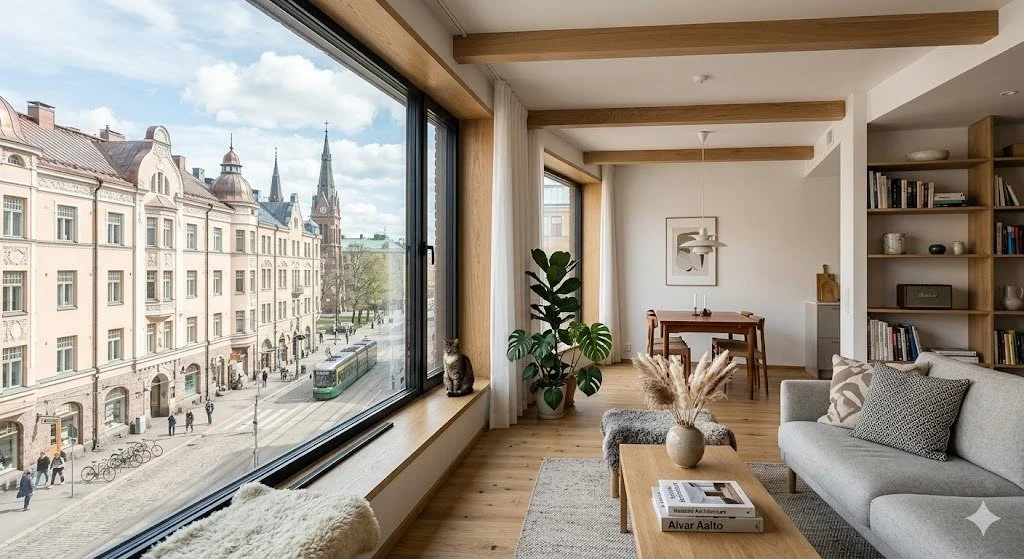
Trust remains the ultimate currency of the sharing economy. A research by Mittendorf (2018) demonstrates that "trust in the host" directly mitigates the perceived transaction risks associated with P2P accommodations, profoundly influencing consumer decision-making.
When vetting a Helsinki rental:
Look beyond the aggregate star rating.
Read the reviews.
Look for specific mentions of host communication efficiency, punctuality during check-in, and accurate representations of the space.
4. Heating vs. cooling system of the accommodation
Helsinki winters are freezing, while the midsummer months can bring surprising heatwaves. Most Finnish properties use highly effective district heating systems, ensuring apartments stay warm and cosy even when temperatures drop well below freezing.
However, air conditioning can be rare in residential Finnish apartments. If you are visiting during the peak summer months (June to August), look closely at the amenities list.
If AC isn't available, check if the host provides portable fans, or prepare to open the windows to catch the evening Baltic breeze.
5. The "Unbundled" fee trap
Hospitality studies on consumer values indicate that unexpected extra fees heavily damage a guest's perception of "price-value" fairness, leading to lower post-stay satisfaction (So et al., 2022). In some Nordic vacation rentals, hosts practice "unbundling" meaning they charge separate, mandatory fees for bed linens, towels, or final cleaning services.
Always look at the total price breakdown before confirming your reservation to ensure these essential items are included in the baseline nightly rate.
6. Self Check-In system.
Finland is one of the world's most digitally advanced societies. Consequently, many local hosts use smart locks or electronic key-lockboxes (such as the widely used Finnish iLoq systems).
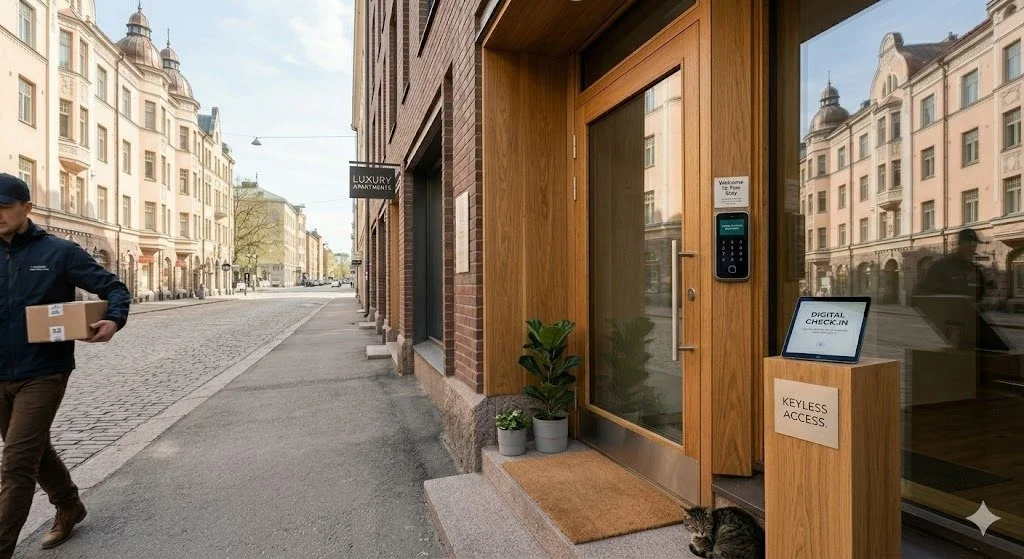
Check the listing’s check-in policy beforehand. If your flight arrives late at night, ensuring the property permits autonomous digital check-in will save you the stress of coordinating a physical key exchange in the middle of a chilly Nordic evening.
7. "Quiet Hours" (Hiljaisuus) Mandate
Finnish residential culture values peace, quiet, and privacy above almost all else. Nearly every taloyhtiö enforces strict building-wide quiet hours—typically from 10:00 PM to 7:00 AM. Activities like walking indoors with heavy boots, playing music, or running laundry machines during these hours can result in immediate neighbour complaints to the property manager or the police.
The Check: Review the listing's house rules for the mention of hiljaisuus (quiet time). If you plan to host lively, late-night dinner parties, a vacation rental in a dense residential block might not be appropriate.
8. Event Compression and Cancellation Flexibility
Helsinki hosts massive international events that trigger intense "demand compression." Events like the Slush tech conference, Flow festival, World Village Festival among others, cause an increase in the demand for accommodation.
Also, during the peak summer months, average daily rates and occupancy rates skyrocket as travellers flock to enjoy the midnight sun and outdoor festivals. Conversely, the deep winter months see lower occupancy rates and adjusted prices. Because of this seasonality, booking patterns and host requirements shift drastically depending on when you visit.
During these high-demand windows, nightly rental prices can spike by 30% to 50%, and hosts often apply ultra-strict, non-refundable cancellation policies.
If your travel dates align with a major city event, pay a premium for a flexible cancellation policy to safeguard your funds against unexpected itinerary changes.
Conclusion
Helsinki is an unforgettable city to explore, offering world-class architecture, pristine sea air, and unparalleled safety. By taking a few extra moments to audit your vacation rental against these 8 points, you protect yourself from regulatory headaches, respect the local community, and guarantee a seamless Nordic getaway.
By Nicolette Che
